




A survey by the British Beekeepers Association exposed the fact that more than a quarter of the UKs honeybee hives were lost throughout the wet periods. The National Bee Unit found 25.9 per cent of colonies dead compared with 18.2 per cent at the equivalent point last year.
The wet summer and spring confined bees to their hives thus restricting their ability to leave and forage for nectar and pollen. This increased containment left few supplies for winter and resulted in an elevation in the level of stress among the bees.
Stress and confinement are seriously detrimental to the health of the bee as factors such as these provide ideal conditions for the spread of disease causing pathogens. There are increased fears that Colony Collapse Disorder, which has destroyed many bee colonies in America, may now be affecting British bees.
The UKs honeybee hives contribute around £165 million a year to the economy through the pollination of a large number of fruits and vegetables. It is feared that the decrease in honeybee population could cost the economy £50 million.
The worldwide decline in bee population is causing a significant limitation to the availability of honey. This issue is not helped by the fact that the soaring price of wheat has led to a decrease in the planting of pollen and nectar producing crops. The Honey Association has said that as a result of this honey will run out by Christmas and not return to the shelves until summer 2009.
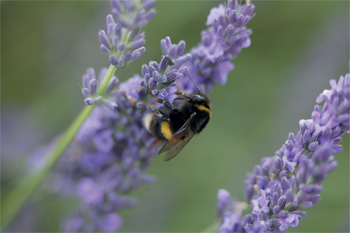
Honeybees in decline
