




Risk assessments are now a vital part of any shoot, and it is incumbent upon us all to make what we do as safe as possible.
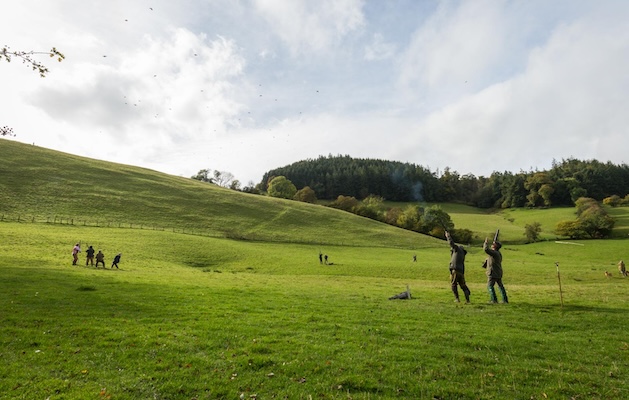
What is a risk assessment for your shoot?
A risk assessment is, simply, a careful examination of what, in the workplace, could cause harm to people. It establishes whether enough is being done to minimise the risk from that activity and, if not, what should be in place to rectify the situation.
Workers have the right to be protected from harm caused by failure to take sufficient preventative measures. The law does not require elimination of risk, just that all involved are protected as far as is “reasonably practicable”.
A hazard is anything that may cause harm, such as a piece of machinery, tool, electricity, chemicals and a risk. Is the chance high, medium or low of the hazard harming somebody? An indication of how serious the harm could be is also needed.
BASC advises: ” If your shoot has five or more employees at any one time it is a legal requirement to have a health and safety policy in place. If you don’t have one, you may be liable to criminal prosecution, which, in turn, can lead to a significant fine and/or imprisonment.”
For assistance with fieldsports health and safety, risk assessments, visits and discussion with your team, please contact Peter Marshall at BASC on 01244 573 063 or via email.
1. Identify the hazards
Walk/drive around the workplace and make notes. Consult your employees, who will have a greater idea of the risks. Check manufacturer’s instructions on chemical containers and machinery handbooks etc. Look back in the accident book and ill-health records. Think about long-term health hazards such as long exposure to noise or harmful substances.
2. Who might be harmed and how?
‘Who’ is best categorised by groups of people, that is ‘all those who work on the rearing field’ or ‘users of that particular footpath/bridleway’ rather than listing all individuals. Think particularly about special groups such as young workers with less experience and those who are not on the shoot all the time such as beaters and pickers-up.
‘How’ is identifying the range of injuries possible, for example a strimmer can do direct damage via its blade or cord or damage eyesight by flicking up stones.
3. Evaluate risks and decide on precautions
Having listed the hazards, examine what you currently do to minimise the risks and what you need to add to take all ‘reasonable precautions’. Can you remove the hazard altogether? If not, how can you control the risk so that harm is unlikely? With a strimmer you must provide all the safety equipment to protect the operator but also ensure that nobody is working nearby when it is being used. This reduces the risk of injury from flying stones and debris.
If the hazard is a static one such as a bridge over a stream, provide a non-slip surface and handrails or exclude the bridge’s use if there is an alternative, safer route.
4. Record your findings and implement solutions
Write down everything and record the results of your risk assessments. Share them with your staff. If you have fewer than five employees then you do not have to write things down but it helps with future reviews. Keep it simple, for example: ‘Tractor exhaust blowing into beaters’ trailer: added extension: exhaust now clear of trailer roof.’
Risk assessments are not likely to be perfect but HSE inspectors expect to see that proper checks are made, that staff are consulted, that precautions are reasonable and that the remaining risk is low. If changes are needed, don’t try to do them all at once. Make a plan of action to deal with the most important first. Make arrangements to ensure staff are given the correct training to obtain relevant competence certificates. Have clear responsibilities – who leads on what action, and by when?
5. Review and update
Put a review date in the diary for an annual check-up. New machinery, employees and even new ground will all cause you to reconsider your H&S policy and risks/hazards. Encourage your staff to do the same.
This article was originally published in 2008 and has been updated.